


Mon-Fri 9am-5pm
Talk to our friendly electric car leasing experts now: 01942 910 001This website uses cookies to ensure you get the best experience. Learn more
Electric Car News - How the ZEV Mandate alterations could impact the Mercedes GLA Electric Car Lease
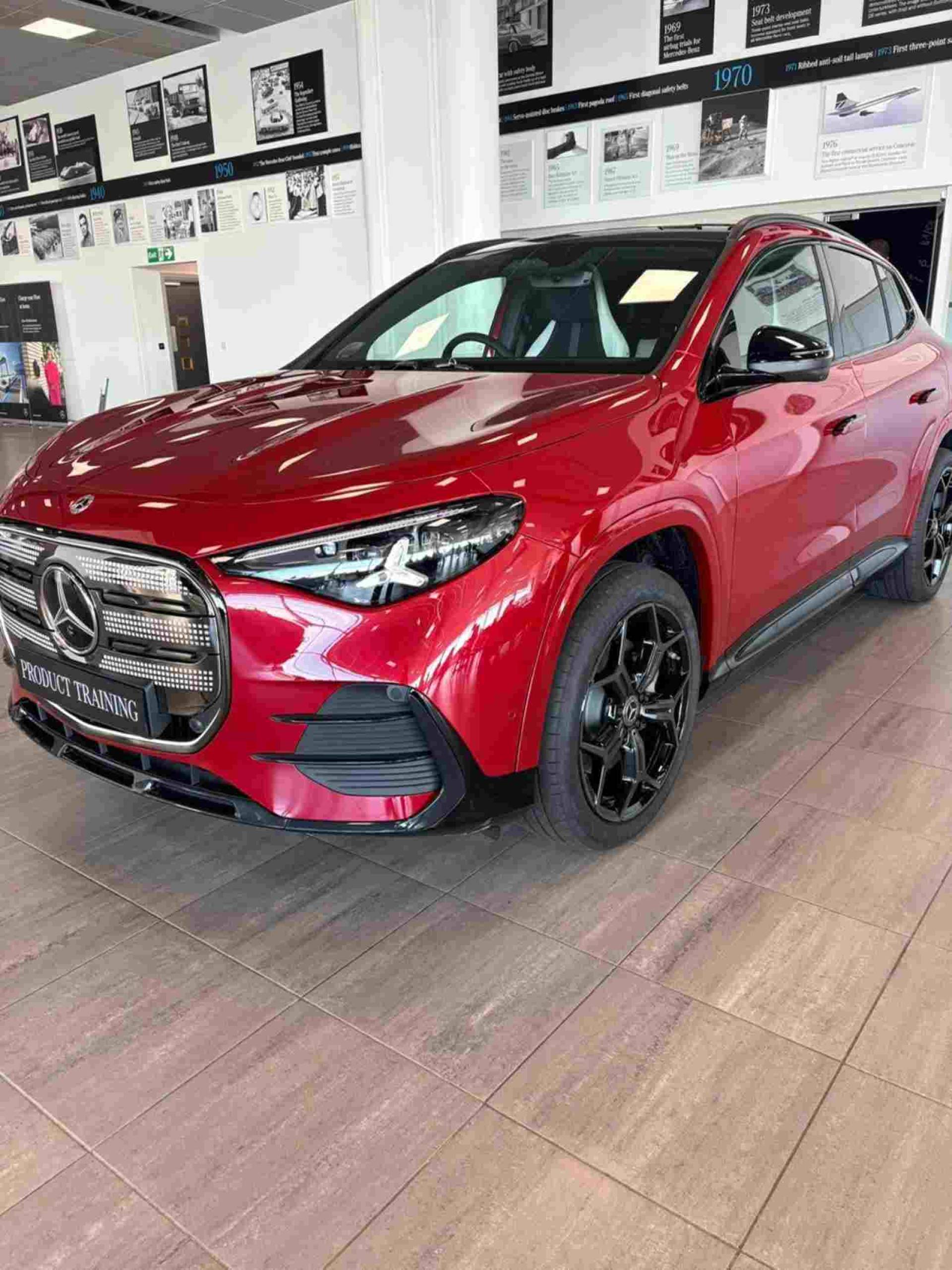

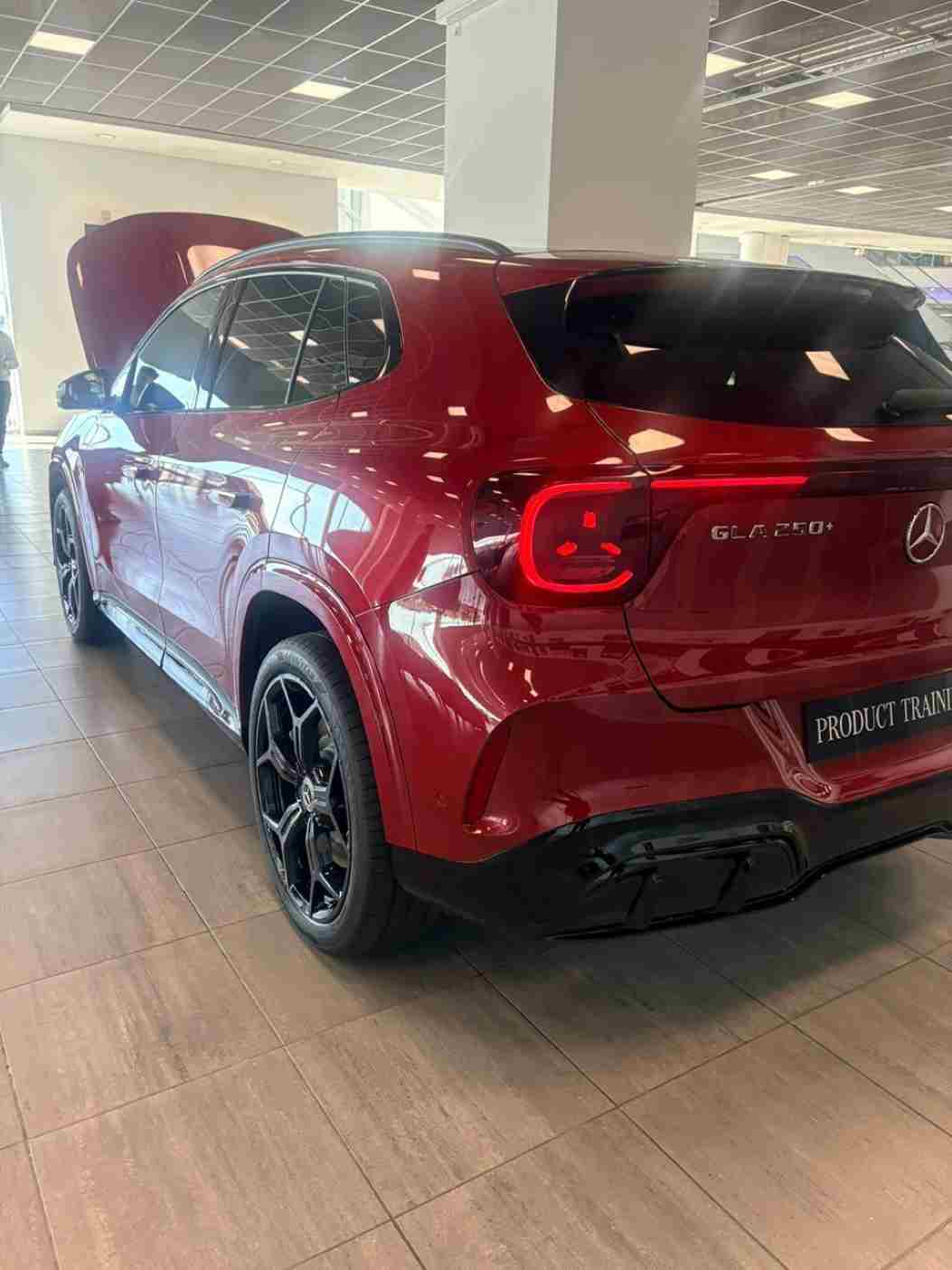
The Mercedes GLA Electric Car Lease could be impacted by the ZEV Mandate alterations - Electric Car News
The breakthrough year for EV mass-adoption is always going to be 2020. However, when you consider what has happened in 2026, with both new and used EV propositions, this is also going to be noted as a seminal year.
The SMMT stats have been continually positive for new electric registrations; nearly 100,000 were registered in September 2026 and over 450,000 from Jan – today.
With 2026 about to record over 500,000 new zero-emission vehicles registered on UK roads, not to mention the countless used EVs now being transacted, you have much to be positive about. The numeric stats are being closely monitored and viewed in line with a particularly important piece of political guidance – the ZEV Mandate. Essentially a tool for ensuring that manufacturers are adhering to UK regulations, this important part of the transition has now been called into review.
As we stand now, the ZEV Mandate has set key milestones for UK new car sales. In 2026 33% must be zero-emission, in 2028 this must be 52% and then in 2030 we will be expected to have reached 80%.
While the stats are positive for the UK car industry, the reality is that many are not in support of the targets being met and resulting fines / penalties will be counterintuitive to the various brands / manufacturers operating in the UK, Until 23 October 2026, the Government has been seeking consultations on the ZEV Mandate, in order to assess the targets and ascertain whether or not these are suitable in the modern climate.
This is not about removing the ZEV Mandate in totality; this is about assessing how, and when, the UK’s adoption of new zero-emission vehicles should take place. As you can read, the Governmental team are now in the process of reviewing the extensive feedback received.
Not everyone agrees on the approach. As you can see in The Guardian there is a feeling that “electric cars make people happy” and that in light of the rising fuel and maintenance costs in the combustion world, the benefits and joys of a BEV could be the UK’s solution amidst the proposed U-Turn.
There is a feeling of a weakening of Net Zero ambitions, promotion of hybrid vehicles and unfair treatment of those companies who have been adopters of the EV route. Indeed, there is a submission that the competition from China, which is being addressed in tariffs, is more of the issue than the ZEV Mandate.
Our partners over at the EVA are in similar agreement, suggesting that the existing ZEV Mandate needs to stay in place, as well as a delay with the eVED. With more confusion and doubt to be propagated in a change to the Mandate, there is a belief by the EVA that the UK needs to be firmly fixed on the pathway it has been following.
Yet the TfL is taking a different tack, with the BBC reporting that the move to electric vehicles for all minicabs in London is being pushed still. In a move to make London a healthier city, the current 70% EV private hire fleet, must reach 100% by 2030.
Air pollution and emissions remain a key metric to the transition. However, this is not being met with enthusiasm by all. The Licenced Private Hire Car Association are pushing back on the measure lamenting that the goal is unachievable and unaffordable.
This is a sentiment shared by others, with the UK’s general goal to be 80% electric by 2030 in the car industry. Charging infrastructure, charging for people in terraced properties and flats, vehicle affordability and education of those selling the products are still being highlighted as key obstacles.
If there are major changes, will new EVs like the updated Mercedes GLA struggle to connect with the UK’s drivers? The reality is that consumer, and business, confidence can be influenced by many aspects including the political tools.
But there are other aspects which remain – the cost of electricity v fuel, EV and battery technology plus a greater understanding and awareness of zero-emission options which is helping this uptake. While the ZEV Mandate may put a minimum explanation on what manufacturers must work towards, this is not a cap.
If it sells and makes money, then brands will continue to excel. Build good cars and make them attractive to the UK’s personal and business leasing market and the rest will take care of itself.
What options of the Mercedes GLA can you order at October 2026?
The new SUV will arrive with the following choices:
- Sport – from £45,400 this includes the panoramic roof, iconic grille with illuminated frame, 800V charging system, Advanced Pack (lumbar support, MBUX navigation, easy-pack tailgate, heated front seats, Mirror Pack (auto-dimming mirrors and electrically folding mirrors), 18” alloys, comfort seats, heat pump, Apple CarPlay, MB.DRIVE standard (reversing camera and motor assists) and comfort suspension;
- Sport Executive – from £47,350 this adds the 19” alloys, dark tinted windows, automatic flush handles, wireless charging, contactless boot opening and artico leather;
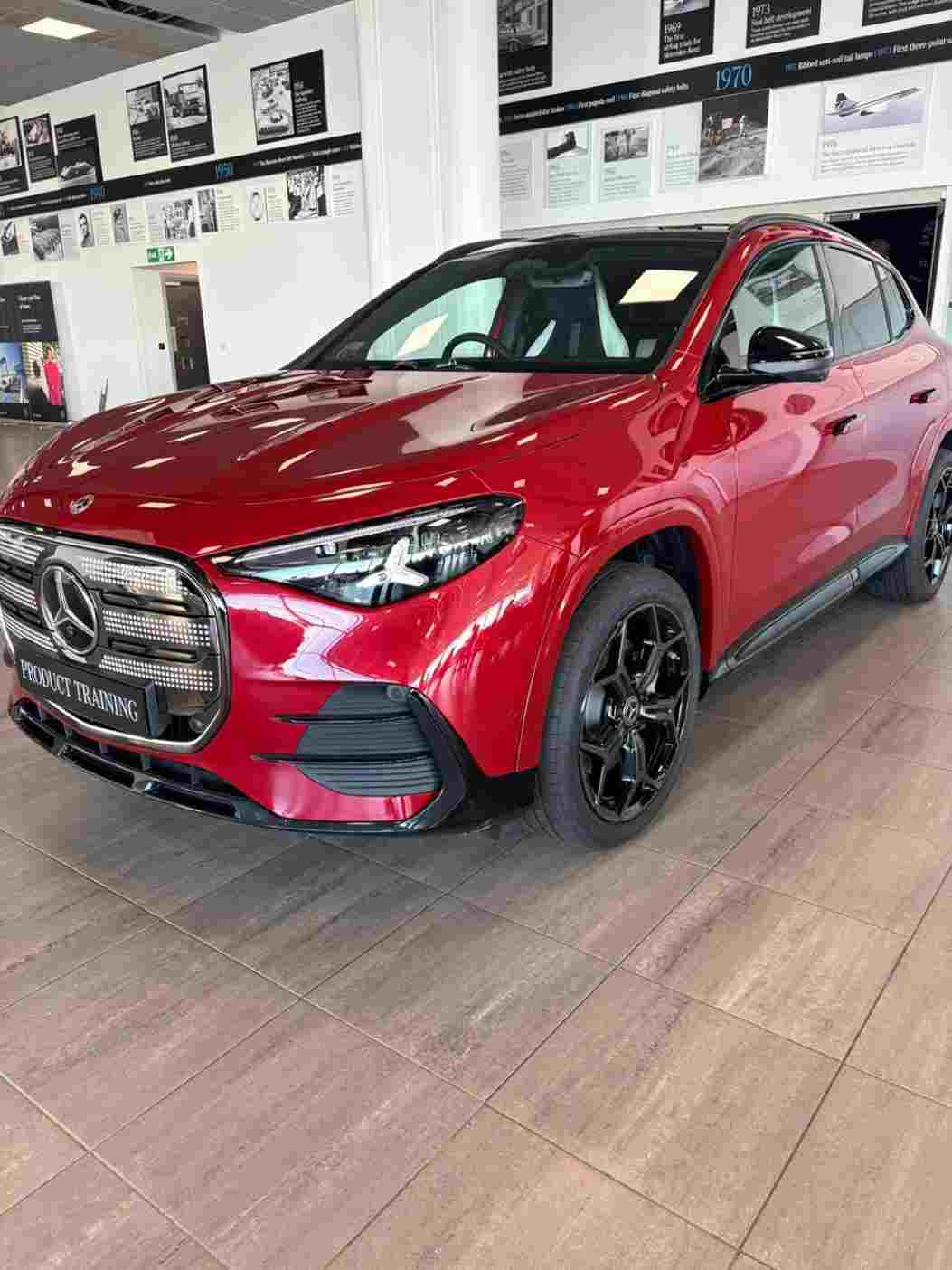
- AMG Line Executive – from £49,100 / £54,400 this adds Advanced Plus Pack (4-way lumbar seats, central display and flush door handles), AMG bodystyling, AMG floor mats, Sports Package - Evolution and 19” AMG alloys;
- AMG Line Premium – from £53,000 / £57,100 this adds 20” alloys, Premium Package with digital extras (MBUX entertainment, MBUX superscreen), nappa-look leather, heated insulated dark glass, MB.DRIVE parking assist and adjustable damping; and
- AMG Line Premium Plus – from £56,100 / £60,200 this adds Burmester 3D sound, MBUX superscreen, 20” alloys, multibeam LED lights, winter package, digital extra with 3 year access to Digital Extras and HUD.
To find out more, or to build your own GLA EV, head to Mercedes website or access the Mercedes GLA online brochure.
How will the new Mercedes GLA electric perform?
There will be two battery configurations to choose from including:
- 250+ - this RWD SUV will have an 85 kWh usable battery which will offer 0 – 62 times of 7.3 seconds, 130 mph top speeds and 200kW (or 268hp). Expect a combined winter range of 260 miles with warmer weather allowing for 355 miles – a 310 mile combined. On charging, the 11 kW AC max will allow 9 hour and 15 min 0 – 100% charging times with the 353 kW DC maximum allowing 18 minute 10 – 80% times. A cargo volume of 410L is available with this car. It has a vehicle fuel equivalent of 148 mpg. You can tow with this EV – 750kg (Unbraked) and 1500kg (Braked). It has no Bidirectional Charging. The heat pump is included as standard; and
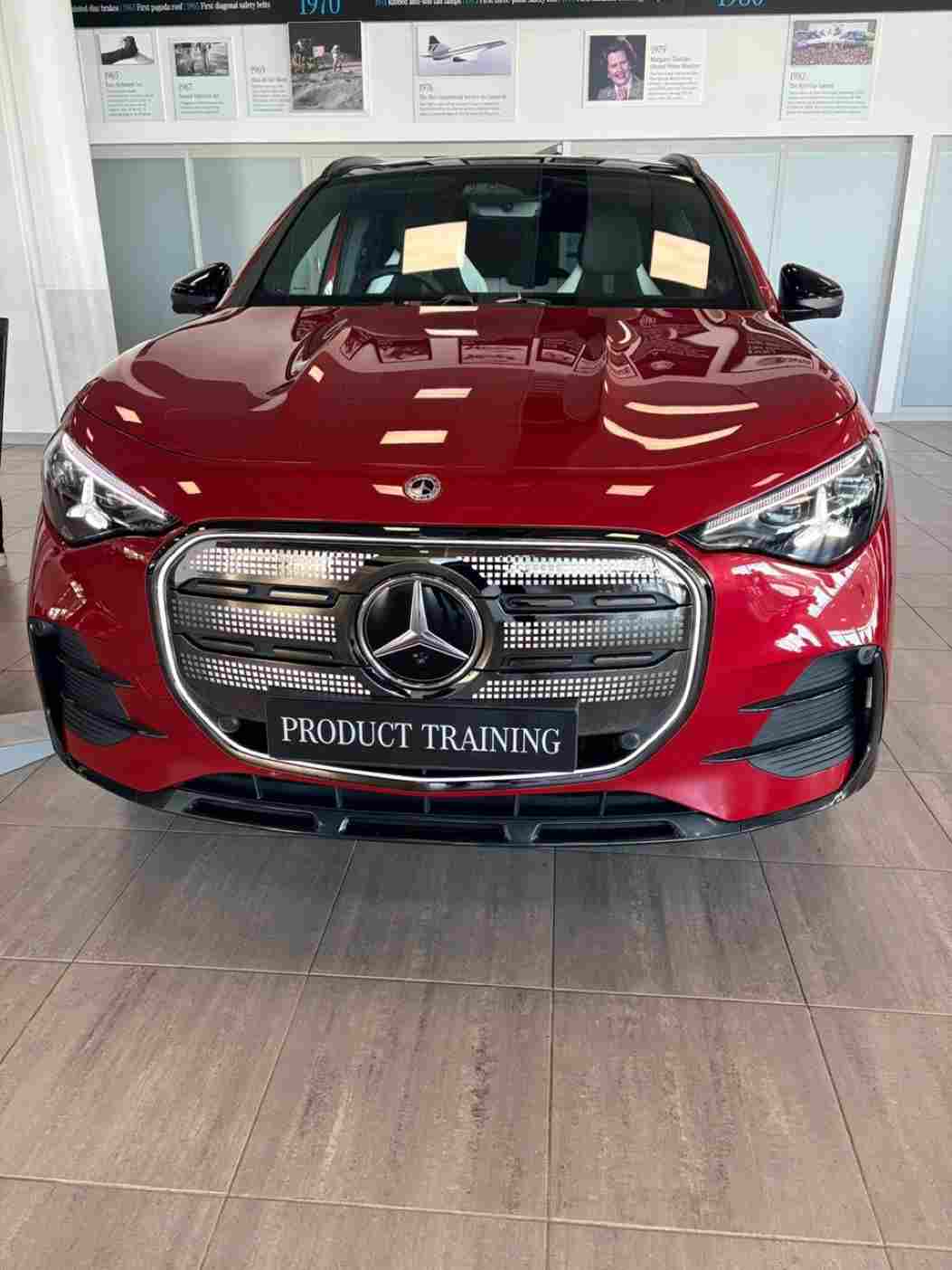
- 350 4MATIC - this AWD SUV will have an 85 kWh usable battery which will offer 0 – 62 times of 5.4 seconds, 130 mph top speeds and 260kW (or 349hp). Expect a combined winter range of 255 miles with warmer weather allowing for 350 miles – a 300 mile combined. On charging, the 11 kW AC max will allow 9 hour and 15 min 0 – 100% charging times with the 353 kW DC maximum allowing 18 minute 10 – 80% times. A cargo volume of 410L is available with this car. It has a vehicle fuel equivalent of 143 mpg. You can tow with this EV – 750kg (Unbraked) and 2000kg (Braked). It has no Bidirectional Charging. The heat pump is included as standard.
Need more help and advice on your new Mercedes?
Head to our Mercedes GLA special offers section on our website or get in touch with our team on 01942 910 001 or by emailing us at [email protected].
e-car lease work alongside these select finance companies:





e-car lease have a partnership and affiliation with:



Register & get new deals weekly
 Exclusive offers
Electric-only deals
Never miss out
Talk to one of our experts
01942 910 001 Email usLeasing


© Copyright 2026 e-car lease. All rights reserved. e-car lease is a trading name of CarLease (UK) Ltd, we are a credit broker and not a lender. We are authorised and regulated by the Financial Conduct Authority. Registered No: 706617. BVRLA Membership No. 1471. Registered in England & Wales with Company Number: 09312506 | Data Protection No: ZA088399 | VAT No: 200422089 | Registered Office: Kings Business Centre, Warrington Road, Leigh, Greater Manchester, WN7 3XG
Made by morphsites®