


Mon-Fri 9am-5pm
Talk to our friendly electric car leasing experts now: 01942 910 001This website uses cookies to ensure you get the best experience. Learn more
Toyota release not one, BUT TWO new Electric Car Lease options for 2026
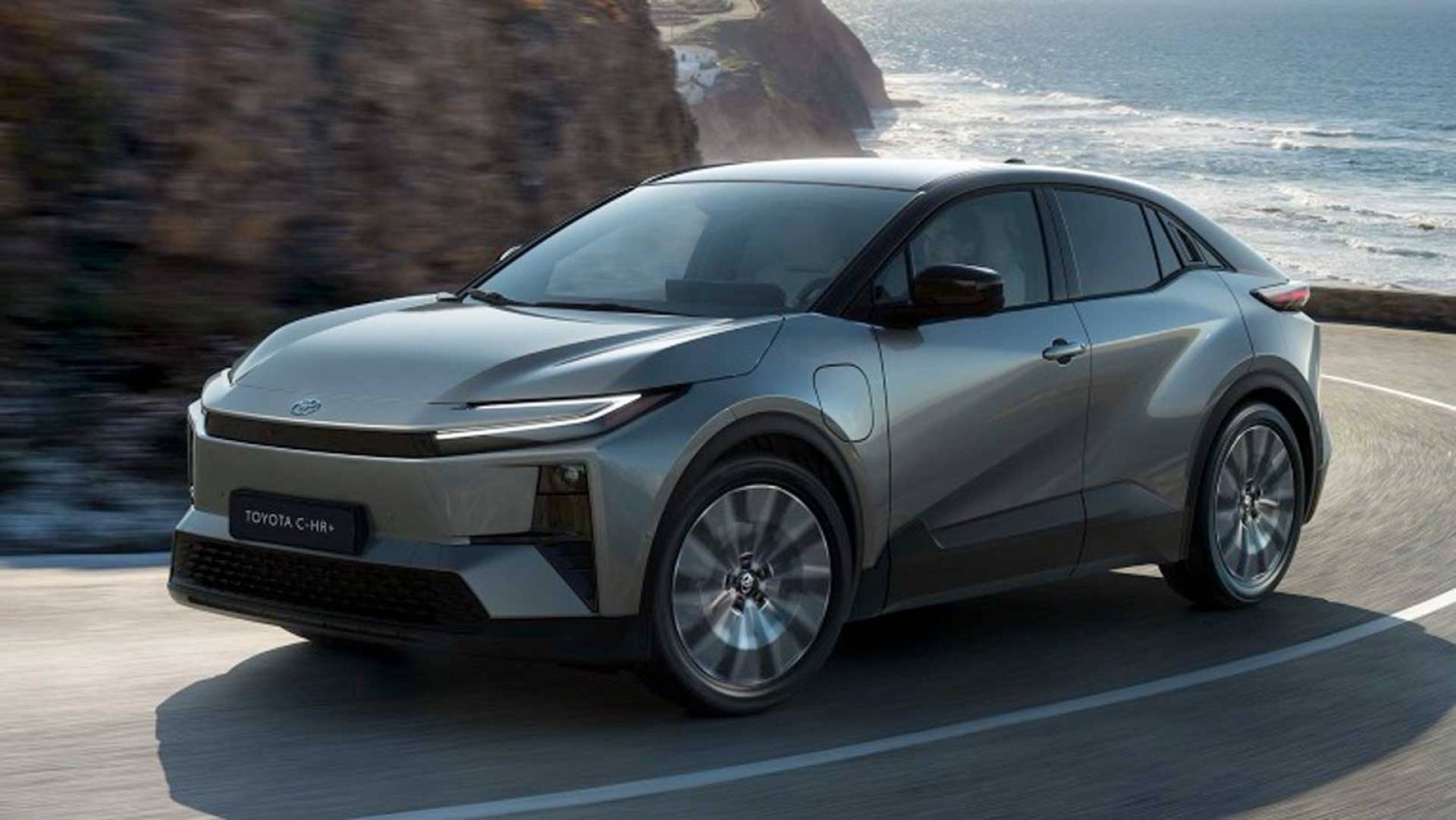

New Electric Car Lease options for 2026 - Toyota release not one, BUT TWO new cars
For a manufacturer which has been so focused and dedicated on hybrid and plug-in hybrid technology, the move into the BEV market has been somewhat of a surprise. More so when the group - Toyota - have been so outspoken on not wanting to get into zero-emission vehicles with the same enthusiasm as the competition.
The Japanese car makers are blessed with a supportive and loyal following across the world, with the UK not much different in this regard. The personal and consumer markets in particular have been ardent fans of the CH-R and Rav4 for some time.
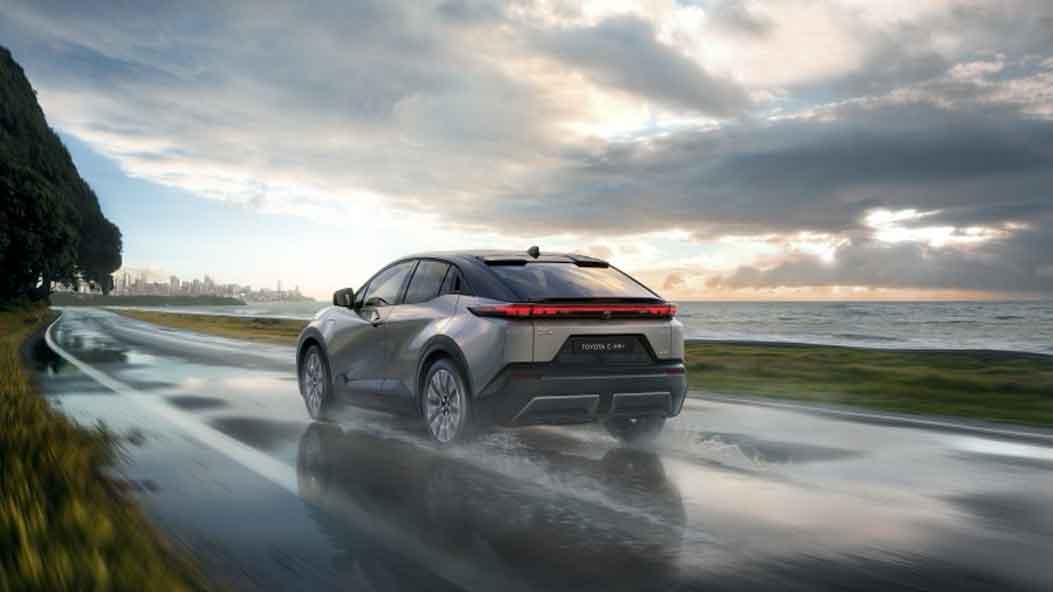
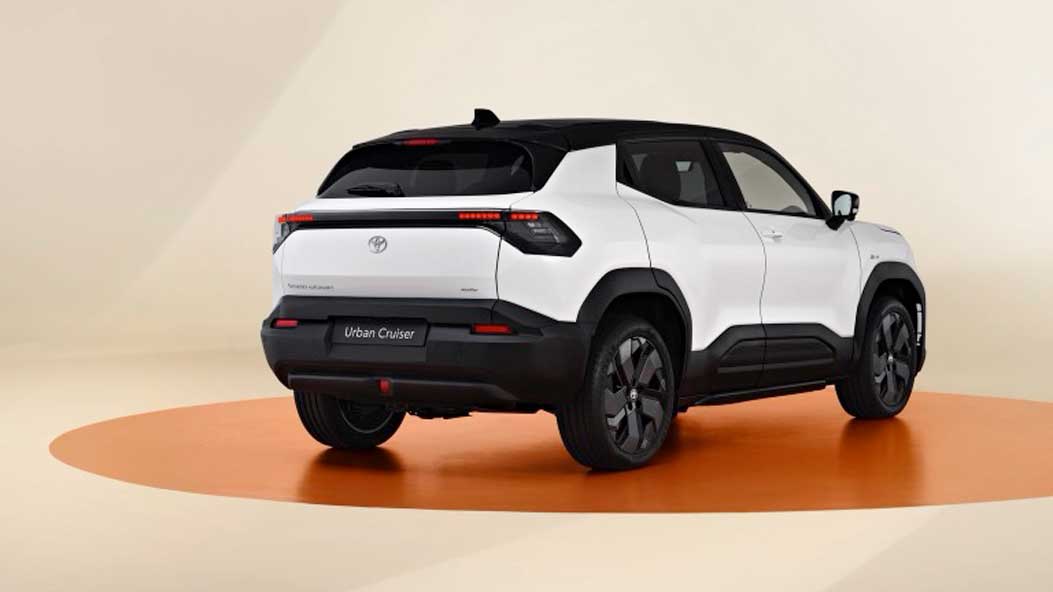
But in alienating the battery electric side of the market, Toyota were beginning to appear like an old-school brand, with a limited resource in the UK leasing market. Perhaps this is why they confirmed not one, but two, new EVs for 2026 and beyond - the Urban Cruiser and the C-HR+.
Before we quickly address these new products, it is a good juncture to review a positive ongoing story in the news which relates to electric car battery health and power management. Some of the UK demographic have been driving Toyota hybrid options because there was a concern that the batteries in EVs would degrade quickly and leave customers with a heavily depreciated asset or a vehicle without sufficient range / power for their requirements.
A common analogy was an iPhone and how the constant use and charging have a direct impact on the battery health, hence our need to repair or replace it every 3 - 5 years. However, in some useful research by Geotab , a leading fleet tracking and telematics solutions company based out of Canada, some critical evidence was discovered:
- The average annual battery degradation on an EV is 2.3% indicating better performance and life-span than previously envisaged;
- Vehicles which regularly utilise DC charging above 100kW degrade at around 3%;
- An EV degrades quicker in a hotter climate than in a mild climate (around 0.4% more per year); and
- Degradation only increased when vehicles spend more than 80% of their time at a very high or very low state of charge (SoC).
The summary was taken from a real-world analysis of more than 22,700 electric vehicles across 21 makes and models.
The exciting summary from Geotab does show that for those customers charging at home on AC (which many UK customers do) the degradation is much less impactive than those having to rely on rapid charging (DC) solutions.
However, it also highlights that we need not be concerned or anxious about our vehicle batteries either. With many modern vehicles now producing 50kWh - 100kWh battery setups, the state of health (SOH) can be measured to more accurately set out the performance for a customer and the impact on their range and performance.
For example, a 60kWh battery with 80% SOH would have the capability of a 48kWh battery on a like for like comparison. For any business, fleet or individual purchasing or leasing a used electric vehicle, this is crucial data to get to grips with.
However, for any personal or business customers looking to take a Toyota over a longer period of time, the research does at least provide confidence and assurance that the vehicle’s performance should remain robust for a number of years. With a small compact SUV, the Urban Cruiser, plus a mid-sized SUV, the C-HR+ , there is more than enough choice. Take a look at our exclusive analysis of both vehicles below to see if going electric in 2026 and beyond is likely to happen using the new Toyota options!
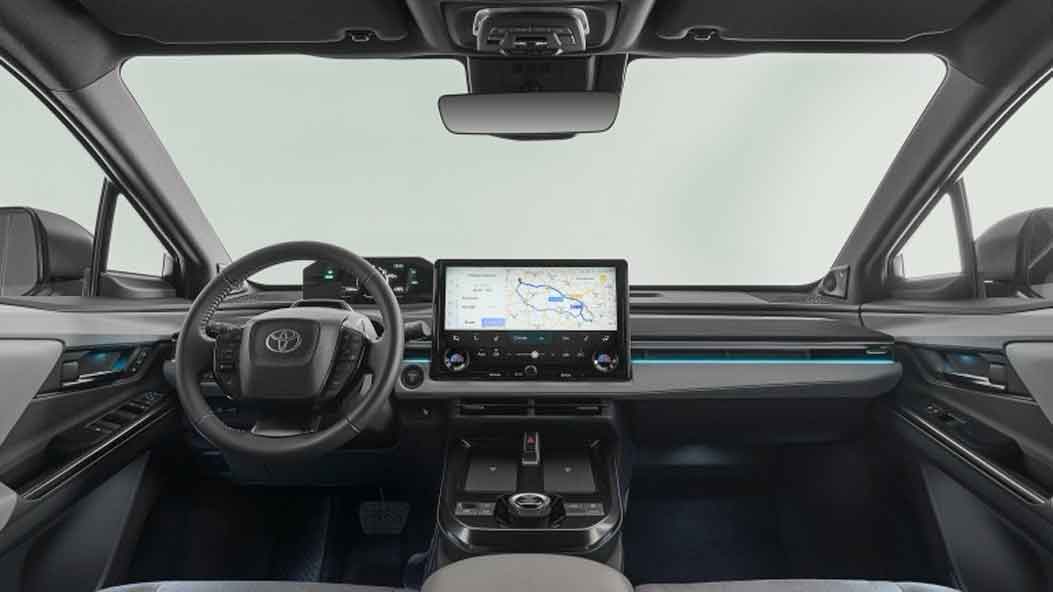
The Toyota C-HR Plus will arrive with the following specifications:
- Icon – from £34,950 this includes 18” alloys, smart entry and start system, adaptive cruise control, rear view camera, front/rear parking sensors, intelligent clearance sonar, emergency stop start, navigation, ambient lighting, heated front seats, power-adjustable lumbar support,
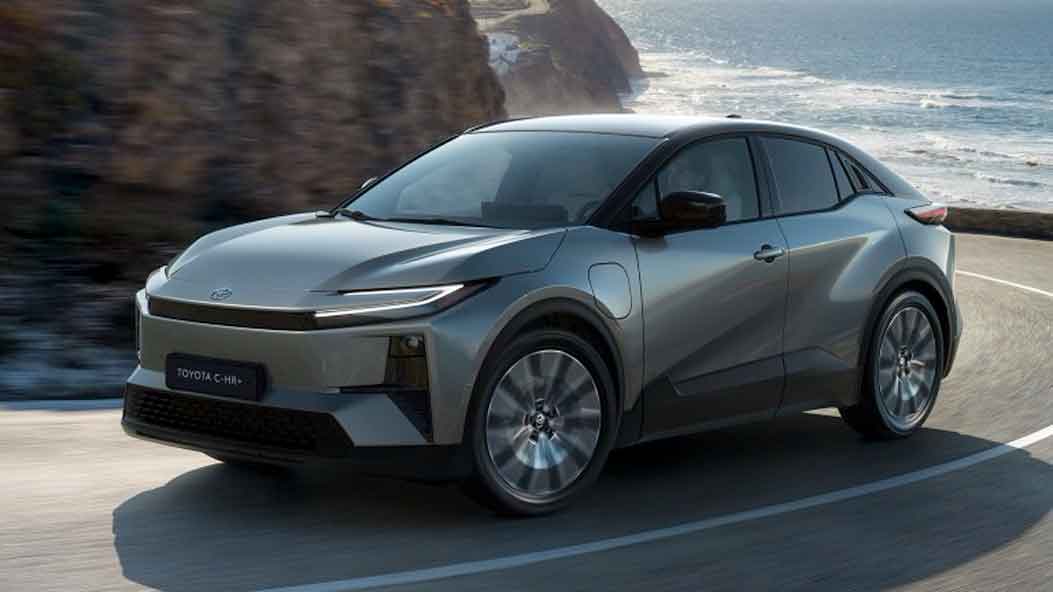
- Design - from £37,650 this adds privacy glass, power back door and id equipped for towing hook; and
- Excel - from £40,995 this adds 20” alloys, the black bi-tone roof, 22kW AC upgrade, panoramic view monitor, lane change assist, front wiper de-icer, power adjustable driver seat.
How will the new Toyota CHR EV perform?
- C-HR+ 57.7 kWh - FWD SUV will have a 54 kWh usable battery which will offer 0 – 62 times of 8.3 seconds, 87mph top speeds and 123kW (or 165hp). Expect a combined winter range of 170 miles with warmer weather allowing for 235 miles – a 205 mile combined. On charging, the 11kW AC max will allow 6 hour 0 – 100% charging times with the 150 kW DC maximum allowing 28 minute 10 – 80% times. A cargo volume of 416L is available with this car. It has a vehicle fuel equivalent of 154 mpg. You cannot tow with this car. The SUV has no Bidirectional Charging. The Heat Pump is available as a standard option; and
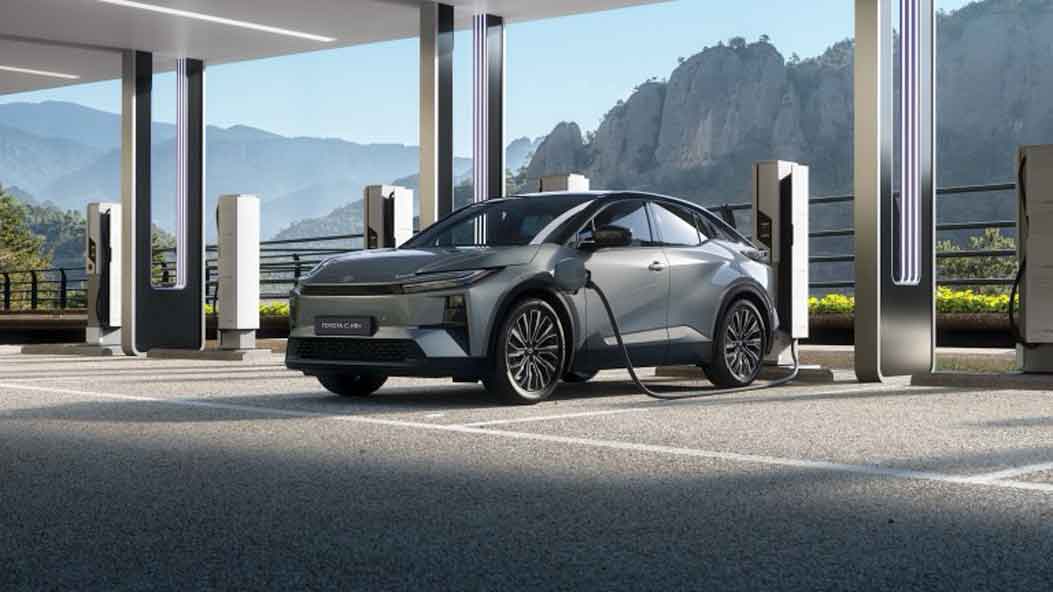
- C-HR+ 77 kWh - FWD SUV will have a 72 kWh usable battery which will offer 0 – 62 times of 7.3 seconds, 99 mph top speeds and 165kW (or 221hp). Expect a combined winter range of 225 miles with warmer weather allowing for 310 miles – a 265 mile combined. On charging, the 11kW AC max will allow 7 hour and 45 minute 0 – 100% charging times with the 150 kW DC maximum allowing 29 minute 10 – 80% times. A cargo volume of 416L is available with this car. It has a vehicle fuel equivalent of 149 mpg. You can tow 750kg (Unbraked) and 750kg (Braked) with this derivative. The SUV has no Bidirectional Charging. The Heat Pump is available as a standard option.
The Toyota Urban Cruiser will arrive with the following specifications:
- Icon – from £29,995 this includes 18” alloys, 10.25” digital combimeter, privacy glass, power adjustable and retractable mirrors, push-button start, LED projector, adaptive cruise control, front and rear parking sensors, reversing camera, turn assist, air conditioning, blind spot monitor, illuminated entry system, smart entry system and floor mats;
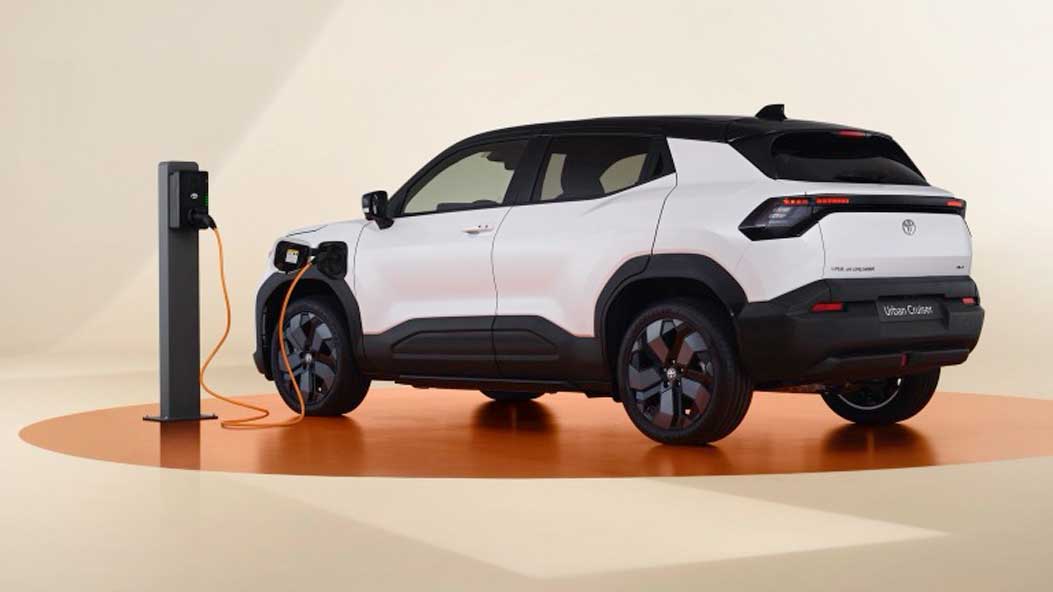
- Design - from £34,460 this adds heated front seats, heated steering wheel and front wiper de-icer; and
- Excel - from £36,425 this adds 360 degree panoramic, 19” alloys, fixed glass moon roof, adaptive high beam assist, JBL audio and wireless phone charger.
How will the Toyota Urban Cruiser perform?
- Urban Cruiser 48.8 kWh - FWD SUV will have a 47.8 kWh usable battery which will offer 0 – 62 times of 9.6 seconds, 93 mph top speeds and 106kW (or 142hp). Expect a combined winter range of 140 miles with warmer weather allowing for 190 miles – a 165 mile combined. On charging, the 11kW AC max will allow 5 hour and 15 min 0 – 100% charging times with the 55 kW DC maximum allowing 47 minute 10 – 80% times. A cargo volume of 244L is available with this car. It has a vehicle fuel equivalent of 140 mpg. You can tow 750kg (Unbraked) and 750kg (Braked). The SUV has no Bidirectional Charging. The Heat Pump is available as a standard option; and
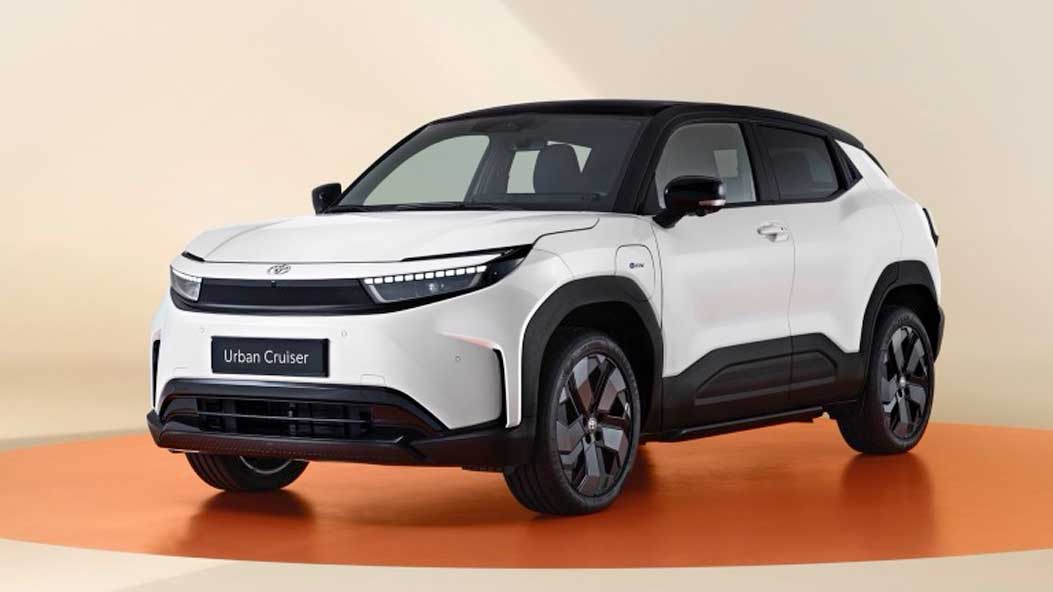
- Urban Cruiser 61.1 kWh - FWD SUV will have a 59.8 kWh usable battery which will offer 0 – 62 times of 8.7 seconds, 93 mph top speeds and 128kW (or 172hp). Expect a combined winter range of 175 miles with warmer weather allowing for 235 miles – a 205 mile combined. On charging, the 11kW AC max will allow 6 hour and 30 min 0 – 100% charging times with the 70 kW DC maximum allowing 44 minute 10 – 80% times. A cargo volume of 238L is available with this car. It has a vehicle fuel equivalent of 139 mpg. You can tow 750kg (Unbraked) and 750kg (Braked). The SUV has no Bidirectional Charging. The Heat Pump is available as a standard option.
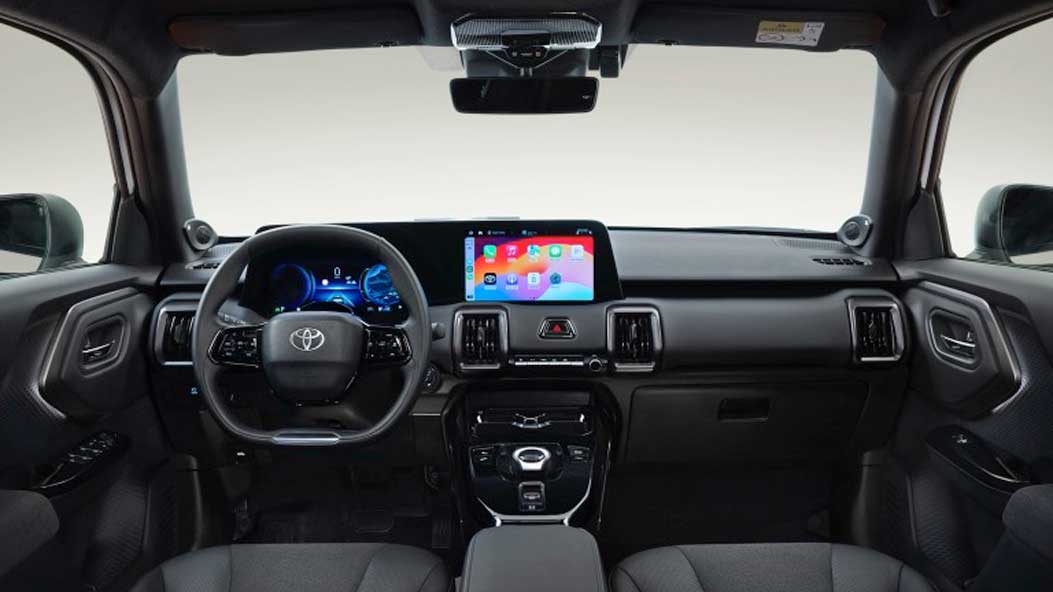
Want to know more about going into an Electric Toyota?
Head to our dedicated Toyota special offers section or speak to our experts directly on 01942 910 001 or by emailing us at [email protected]
e-car lease work alongside these select finance companies:





e-car lease have a partnership and affiliation with:



Register & get new deals weekly
 Exclusive offers
Electric-only deals
Never miss out
Exclusive offers
Electric-only deals
Never miss out
Talk to one of our experts
01942 910 001 Email usLeasing





© Copyright 2026 e-car lease. All rights reserved. e-car lease is a trading name of CarLease (UK) Ltd, e-car lease is a credit broker and not a lender. We are authorised and regulated by the Financial Conduct Authority. Registered No: 706617. BVRLA Membership No. 1471. Registered in England & Wales with Company Number: 09312506 | Data Protection No: ZA088399 | VAT No: 200422089 | Registered Office: Kings Business Centre, Warrington Road, Leigh, Greater Manchester, WN7 3XG
Made by morphsites®