


Mon-Fri 9am-5pm
Talk to our friendly electric car leasing experts now: 01942 910 001This website uses cookies to ensure you get the best experience. Learn more
Why expensive oil makes electric vehicle leasing look cheap

Electric vehicle leasing looks cheap when considering how expensive oil is now
The FT are reporting yet again the issues of expensive oil whilst electric cars across Europe continue to get better. While it is noted this is linked to Government subsidies and policies (it is the same in most countries), there are shifting attitudes and approaches to the vehicle with batteries instead of engines.

As noted within the FT piece, the situation in the Middle East has served to remove some of the love and adoration for our petrol and diesel options; rising prices at the petrol and service stations are hitting British drivers and companies in their pockets.
There is only so much, people will absorb before they start to consider other options. At a time where it is getting more “prickly” in the combustion world, a swathe of more cost-effective all-electric options are now available.
As the FT suggests, the growth of funky Chinese models, at an affordable price point coupled with European brands also looking to compete, translates to a viable vehicle for the average person. Historically, many manufacturers fell into a trap that the UK would simply follow the business and fleet appetite for zero-emission.
But it was probably not wholly recognised that grants, company car tax rates and other financial incentives for companies and salary sacrifice vehicles was effectively making this transition so popular.
Personal customers looking into contract hire or contract purchase were not offered the same level of support and at a time when fuel was not quite as expensive and the knowledge / awareness of batteries was quite low, the move into electric cars seemed to stall. It also didn’t help that many used EVs were based on older technology and therefore provided an impression that the future of our driving would be on sub-standard vehicles.
However, at the halfway point of 2026, we have a very different landscape in the UK. It is fair to say that the electric vehicle transition is not often absent from the news and media in some juncture.
Vehicle costs are decreasing , battery range and efficiency are increasing, and consumer confidence is growing, as the normal individual realises the advantages around this type of driving. It isn’t a con or some form of social control; moving into a BEV represents a sage financial decision. In 2026, as The Times mentions the rising cost of fuel is creating an average yearly fuel bill of £1,353. But how does this compare to an EV?
For most UK drivers, having a charge point at home means that cheaper domestic tariffs are available. On the public network, whether you utilise slower AC solutions or more rapid DC solutions, you will pay more for the experience.
This is why there is a big social and political push on charging infrastructure for those without a dedicated driveway i.e. terraced properties and apartments. For those who probably need access to better charging rates, there has been tough planning restrictions and cost obstacles which are now being thwarted.
Why the leasing route for company car drivers in the Polestar 4 is getting better
The importance of having a dedicated home charging solution is nicely explained below, using the Polestar 4 Dual Motor as an example (it has a 94kWh usable battery):
- Home Charging (standard rate) – at a cost of 24.67 pence per kWh this would be a £23.19 full charge cost for 0 – 100%;
- Home Charging (dedicated tariff) – at a cost of 9 pence per kWh this would be an £8.46 full charge cost for 0 – 100%;
- Public Charging (AC and slower DC) – at a cost of 54 pence per kWh this would be a £50.76 full charge cost for 0 – 100%; and
- Public Charging (Rapid DC) – at a cost of 79 pence per kWh this would be a £74.26 full charge cost for 0 – 100%.
For the UK driver with a Polestar 4 covering 10,000 miles, this means a dedicated tariff of 9 pence would equate to a cost per mile of around 2.82 pence. An overall running cost £282 per year! For a petrol driver spending 4 and 5 times more than this per year, the stark contrast is now making many think twice.
For any company car drivers in their Polestar 4 EV, HMRC have announced some key changes on their advisory fuel rates. These mileage rates apply to any employee using a company car and the employer is
a) reimbursing employees for business travel in their company cars; or
b) needs employees to repay the cost of fuel used for private travel.
From 1 June 2026 the advisory electric rates for fully electric cars will be:
- 7 pence per mile for home charging; and
- 15 pence per mile for public charging.
These rates are utilised to reimburse the employee for the electricity costs they have incurred in fuelling their vehicles for business miles without attracting any income tax or National Insurance.
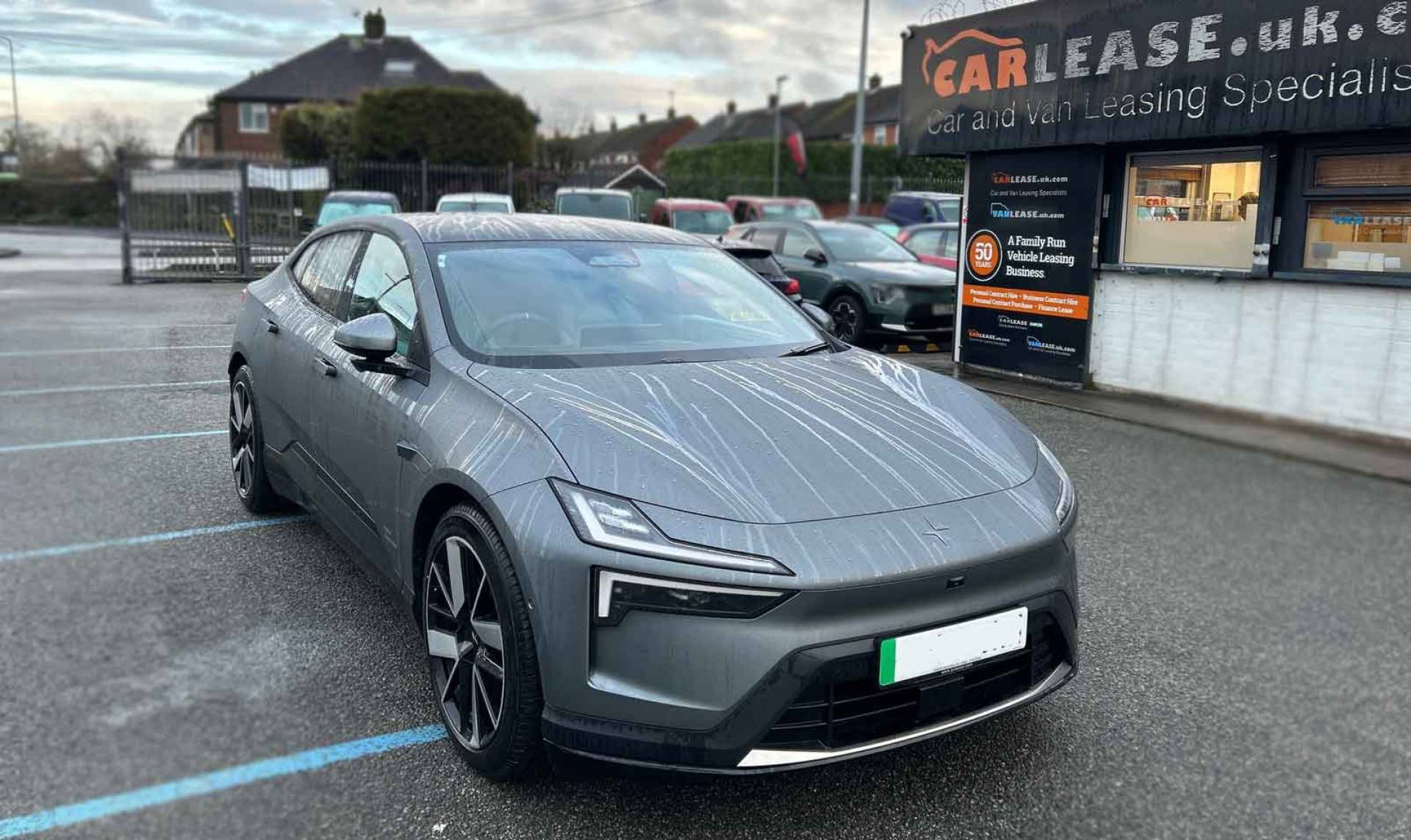
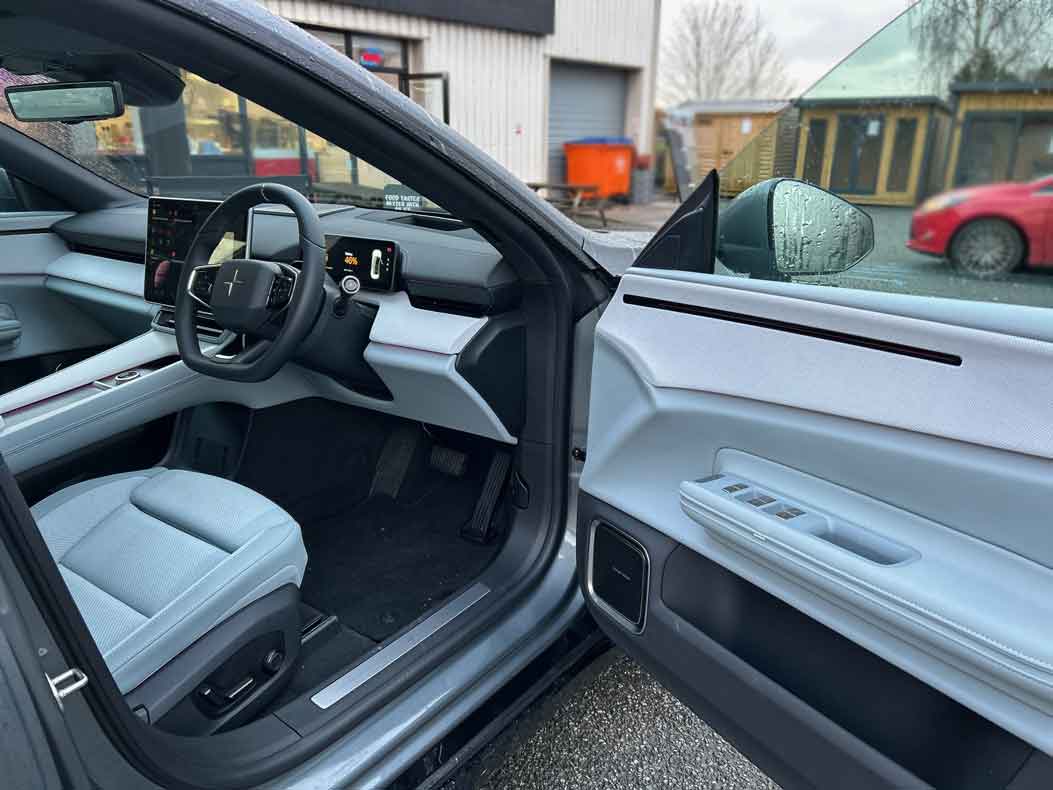
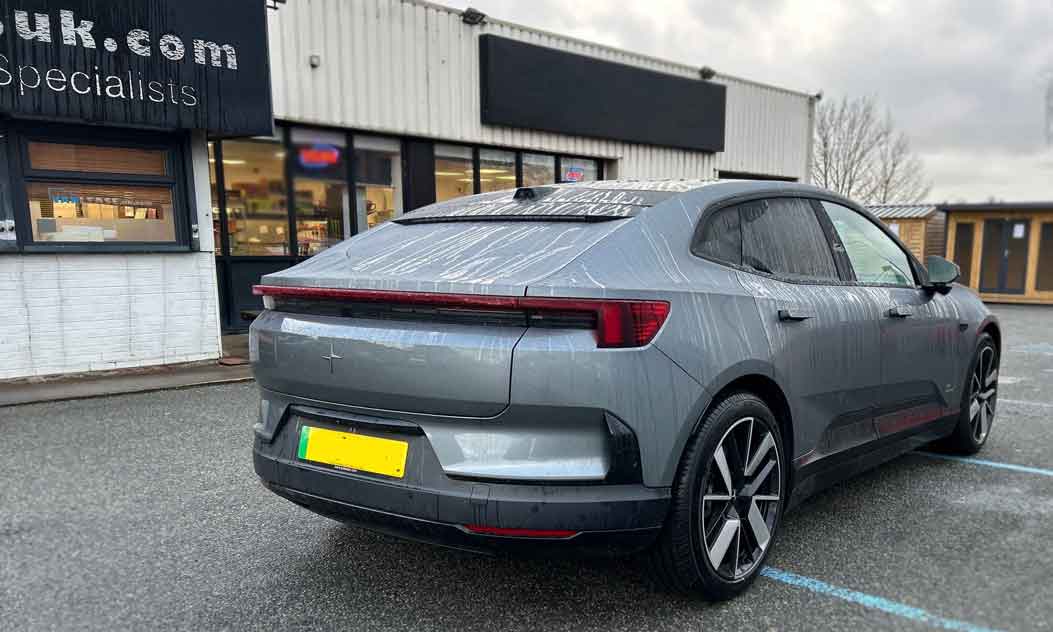
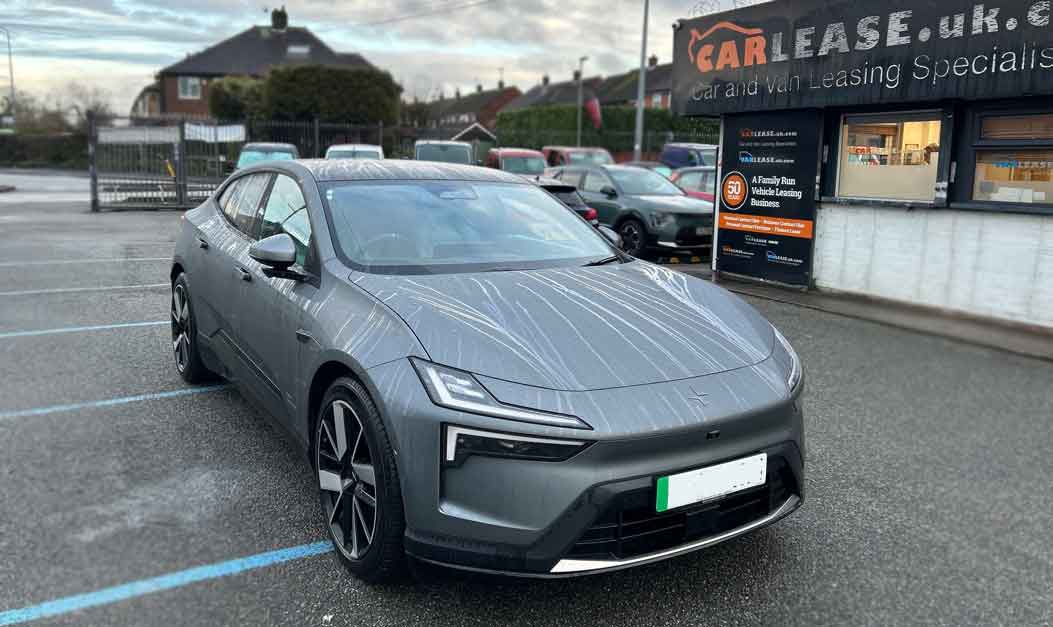
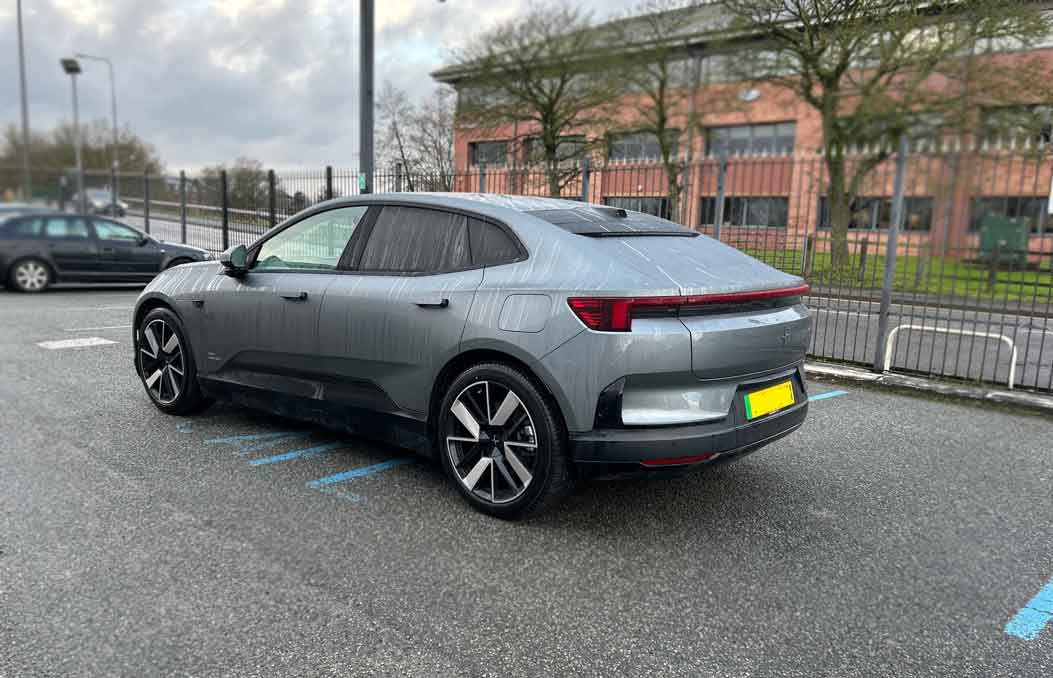
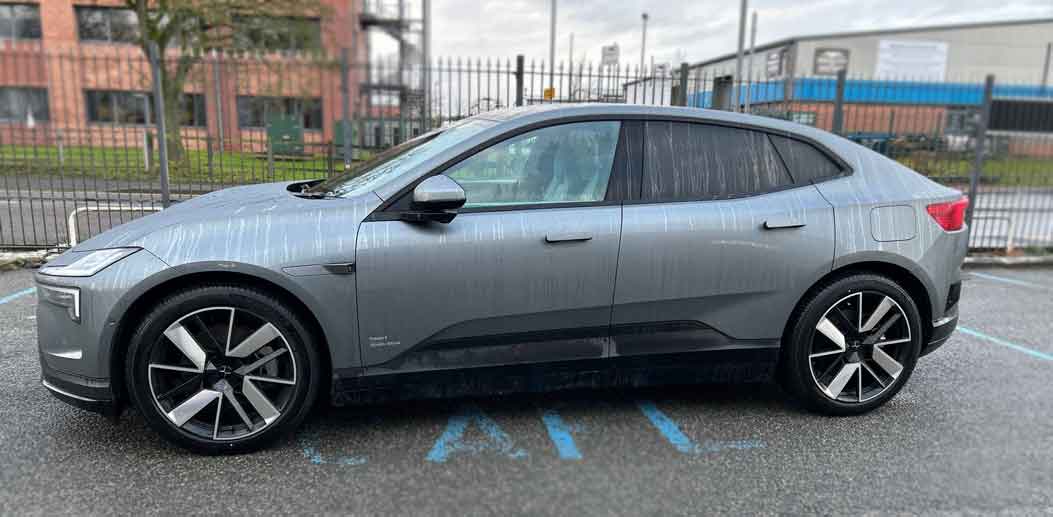
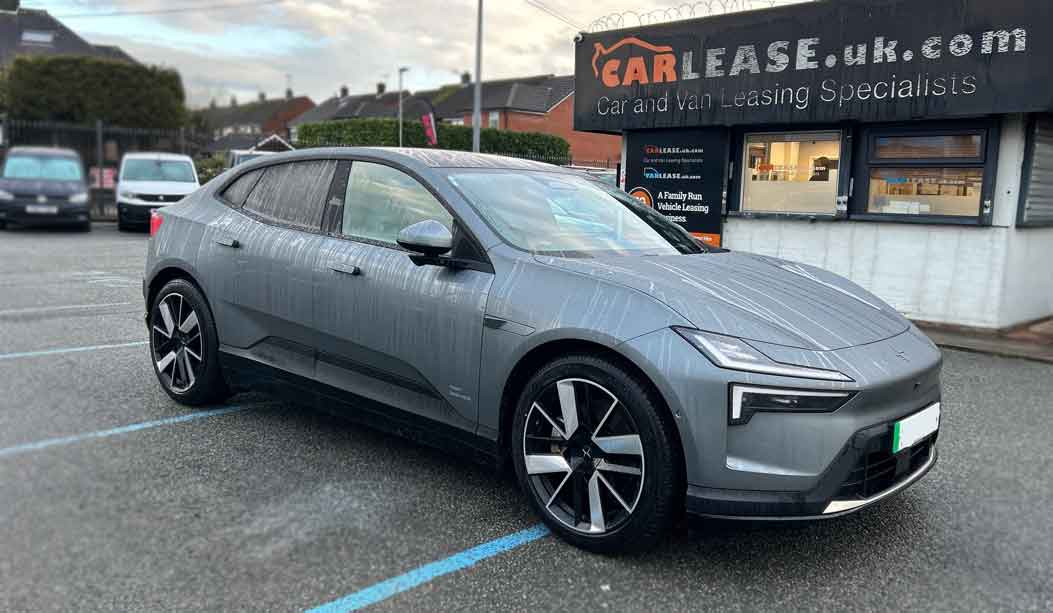
A big thank you to Polestar for allowing our team to test-drive and demo their Polestar 4. This luxury EV remains a firm favourite for company car and salary sacrifice schemes.
In terms of the car shown, the Polestar 4 ESTATE 400kW 100kWh Long Range Dual Motor Prime 5dr Auto, this is based on the following configuration:
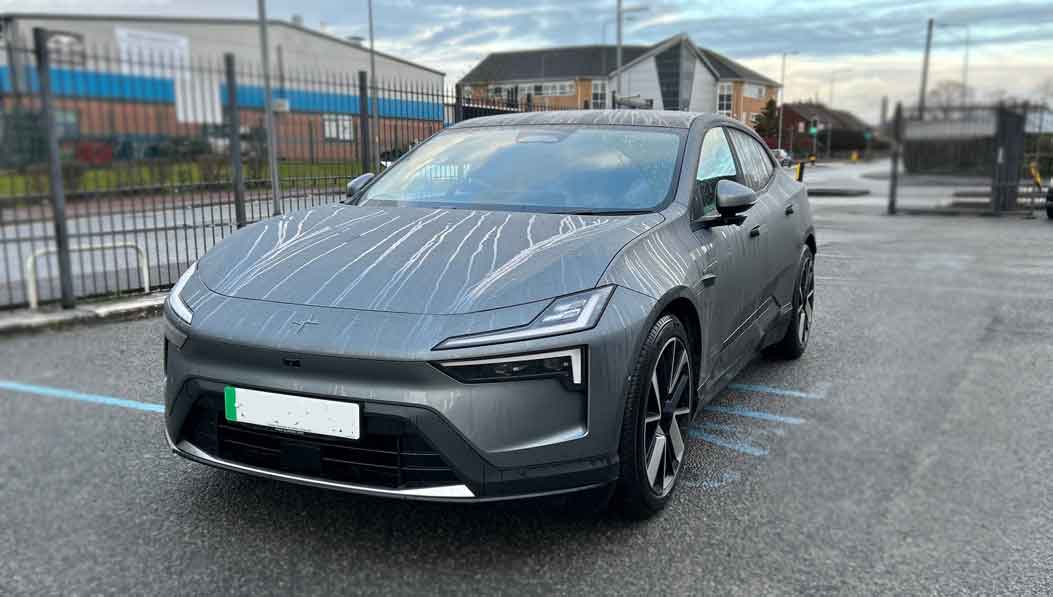
- Metallic Paint - Storm
- Tailored knit cloth - Mist with Zinc deco
- 21" Sport alloy wheels
So how does the standard Long Range Dual Motor perform? This AWD SUV will have a 94 kWh usable battery which will offer 0 – 62 times of 3.8 seconds, 124 mph top speeds and 400 kW (or 536 hp). Expect a combined winter range of 255 miles with warmer weather allowing for 340 miles.
On charging, the 22 kW AC max will allow 5 hour and 15 minute 0 – 100% charging times with the 200 kW DC maximum allowing 31 minute 10 – 80% times. A cargo volume of 526L is available with this car. It has a vehicle fuel equivalent of 129 mpg. This option can tow 750kg (unbraked) and 2000kg (braked). This EV will have no Bidirectional charging. The heat pump is a standard option.
Need more help and advice on a new or used EV?
Just get in touch with our expert team on 01942 910 001 or by emailing us at [email protected]. Discover our Polestar 4 Leasing offers
e-car lease work alongside these select finance companies:





e-car lease have a partnership and affiliation with:



Register & get new deals weekly
 Exclusive offers
Electric-only deals
Never miss out
Exclusive offers
Electric-only deals
Never miss out
Talk to one of our experts
01942 910 001 Email usLeasing





© Copyright 2026 e-car lease. All rights reserved. e-car lease is a trading name of CarLease (UK) Ltd, we are a credit broker and not a lender. We are authorised and regulated by the Financial Conduct Authority. Registered No: 706617. BVRLA Membership No. 1471. Registered in England & Wales with Company Number: 09312506 | Data Protection No: ZA088399 | VAT No: 200422089 | Registered Office: Kings Business Centre, Warrington Road, Leigh, Greater Manchester, WN7 3XG
Made by morphsites®